
You’ve treated the hair, combed it carefully, washed the pillowcases. A few days later you find a live louse again. Before buying yet another product, it’s worth figuring out what actually happened: did lice survive the treatment, did preserved eggs hatch, or was there a new infestation?
These situations call for a different approach. At “Bez Poveche Vushchitsi” we start with a free hair check before moving to cleaning. That way, the first step is establishing what’s actually there. [6]
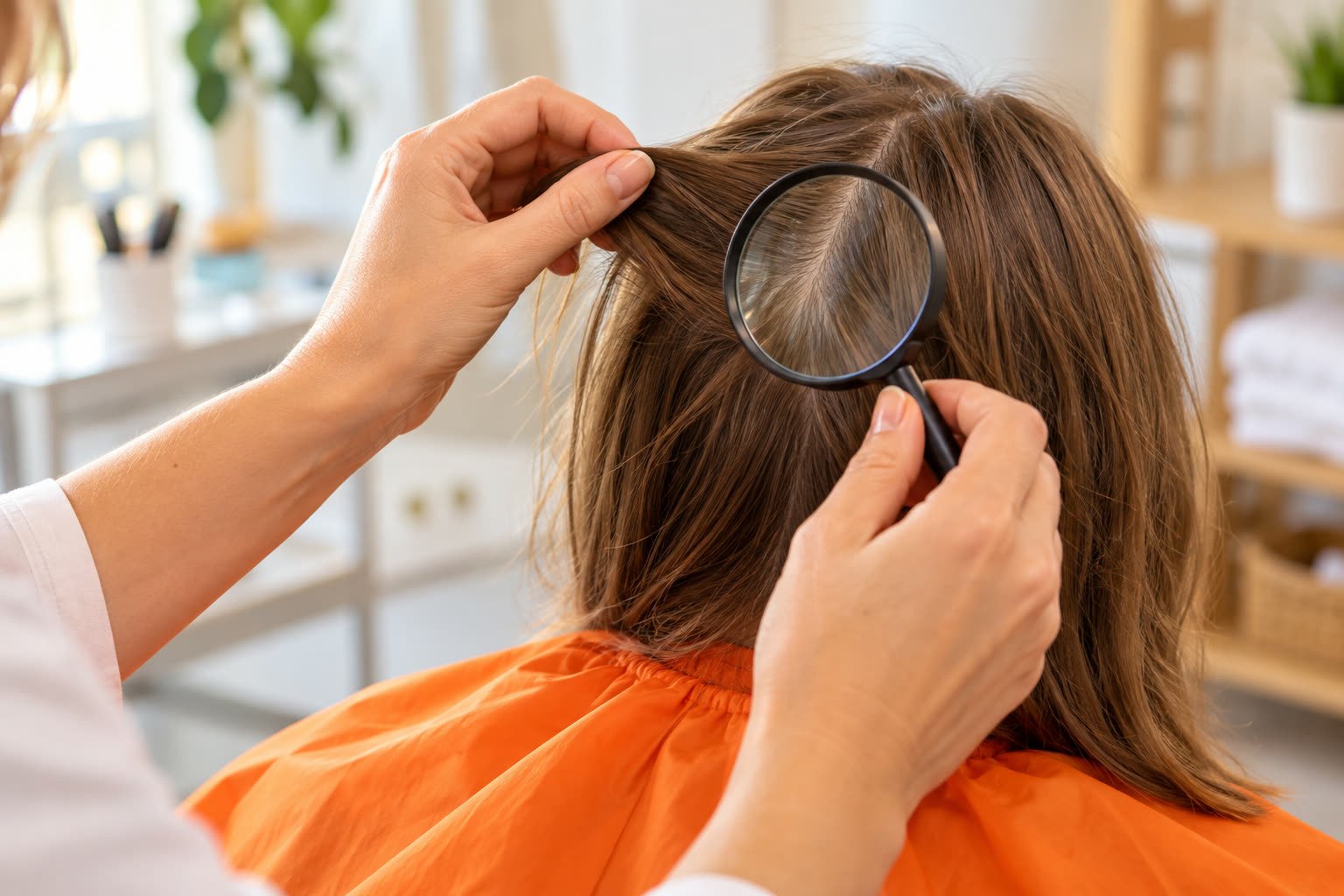
A new louse doesn’t necessarily mean a new infestation
Head lice eggs usually hatch in about 6–9 days. If the product used killed the live lice but left viable eggs, small lice can appear a few days later. They may simply have hatched in the hair after treatment. [2]
That’s why, for some products, a second application is part of the full course. The exact timing depends on the product. Don’t decide it based on itching or on when you have free time — follow the instructions. [1]
What you find during the check matters too. A live, moving louse, an egg, and an empty egg casing aren’t the same thing. Empty casings can stay firmly attached to the hair even after successful treatment. Their presence alone doesn’t prove the lice have come back. [4]
Where something can get missed during home treatment
The product wasn’t used as directed
Too little product, missed sections, or not enough time left to work can all affect the result. For long hair, one package isn’t always enough. Some products also have specific requirements about pre-washing or using conditioner. [1]
The combing was left incomplete
Combing needs consistent work through the whole head of hair, root to tip. The comb should be cleaned after every pass. Working in small sections reduces the chance that an area gets skipped. [4]
It takes attention and patience. When the child gets tired, the hair tangles, or a parent struggles to see the roots, checking at home can become especially hard.
There’s resistance to a particular insecticide
The CDC lists resistance to certain products as a possible reason for failure. But finding lice after treatment doesn’t by itself prove resistance. Proper use and the chance of new contact should be ruled out first. [1, 3]
Don’t increase the dose or combine different products on your own. If a full course fails, discuss the next approach with a doctor or pharmacist. [3]
New contact with someone who has lice is possible
Even after successful removal, lice can appear again after new contact. They spread most often through hair-to-hair contact, and a person can have lice without any itching. [2]
That’s why checking close contacts matters. If several people in the family are affected, their treatment should start on the same day. Otherwise the infestation can keep passing between people in the household. [4]
How we approach it at “Bez Poveche Vushchitsi”
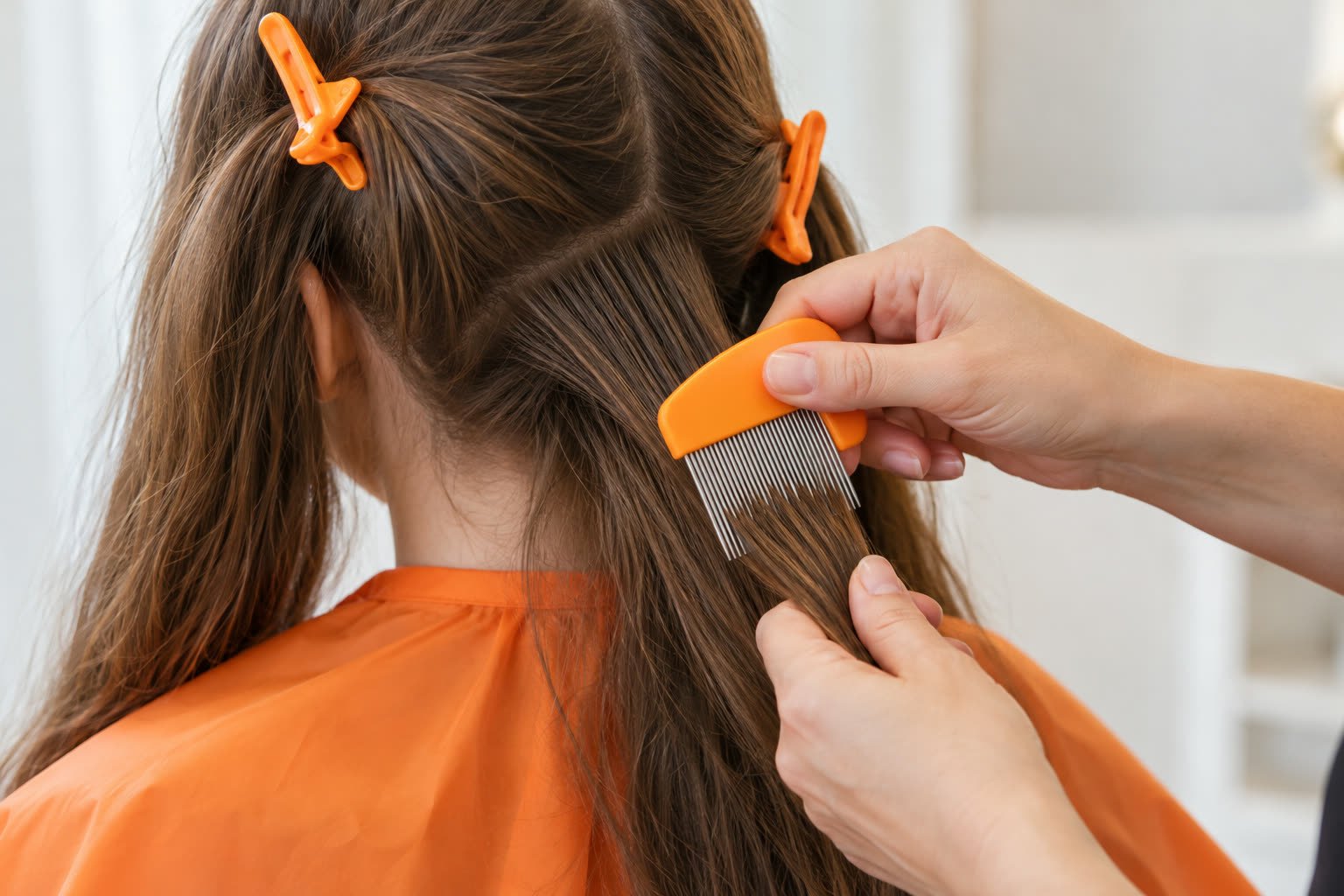
Our professional cleaning includes a consistent treatment and check of the hair:
- Sectioning the hair and using equipment. The hair is divided into four sections, then specialized equipment is used to remove the lice.
- Careful nit removal. We work section by section with a professional comb.
- Final check. We check the hair strand by strand after cleaning.
We don’t use chemical products to kill lice and nits. The service also includes a free follow-up check within 5–7 days of the procedure. [5]
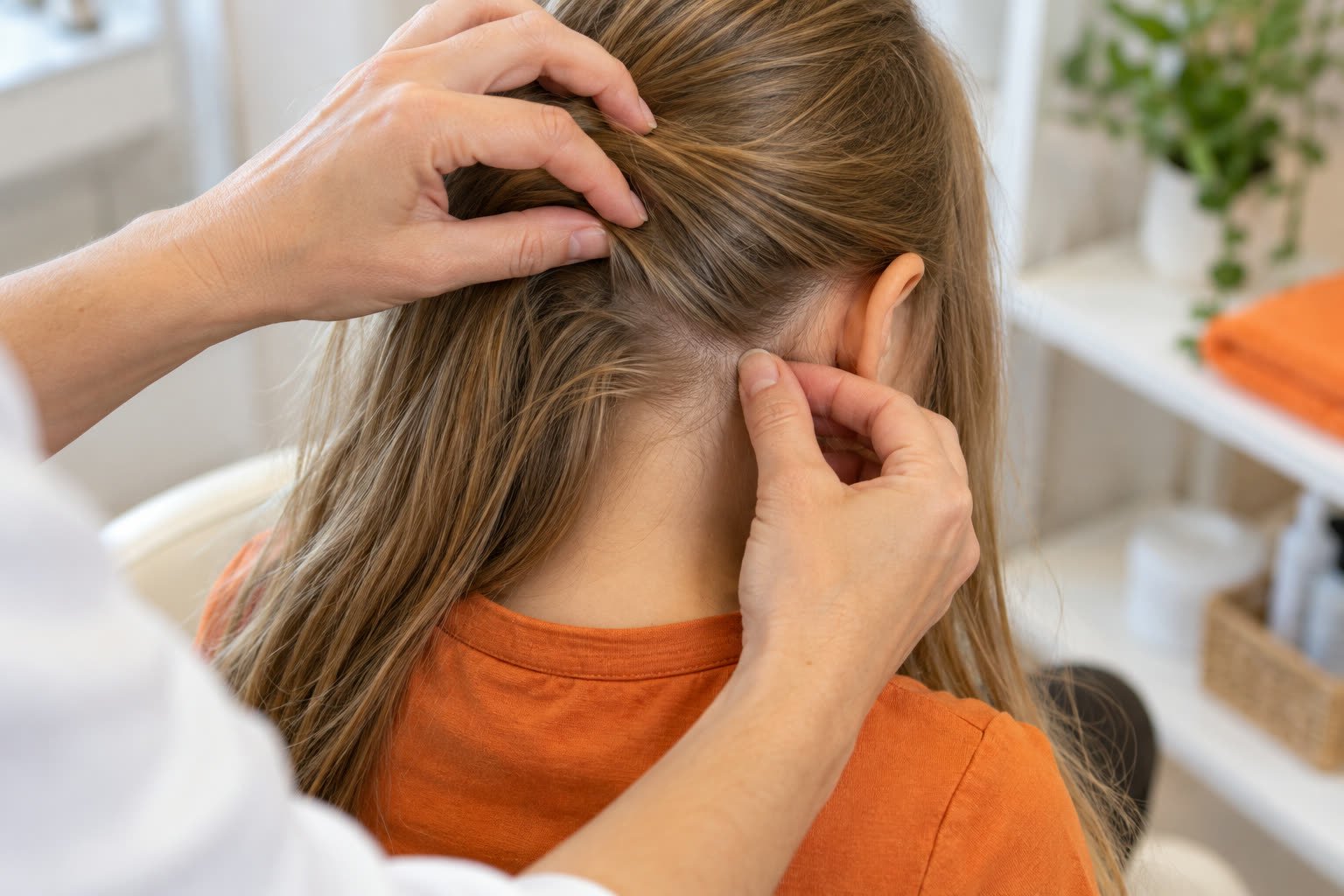
Follow-up matters for home treatment too. The British Association of Dermatologists recommends follow-up checks once it’s done, to confirm the infestation is gone. [4]
When it’s worth booking an appointment
You don’t need to try several different products before seeking help. A professional check is a practical step when:
- you keep finding live lice after treatment;
- you can’t tell nits apart from empty casings or other debris;
- long or thick hair makes thorough combing difficult;
- you want cleaning without chemical products;
- home checks and combing have become too difficult.
See a doctor for weeping sores, a painful scalp, crusting, or fever. These signs can indicate an additional infection from scratching. [4]
Frequently Asked Questions
If the child is still itching, does that mean they have lice?
Itching alone doesn’t prove active infestation. There can be other causes of scalp irritation. Don’t start a new treatment based on this symptom alone. [4]
Can one product fail to work on the eggs?
Yes. Some products kill live lice but not unhatched eggs. That’s why the instructions for a second application differ by product. [3]
Should I buy a stronger product?
Finding a louse again doesn’t tell you that on its own. The reason could be how it was applied, remaining eggs, or a new infestation. Switching products on your own, or combining them, won’t clear that up. [1, 3]
Can lice come back after professional cleaning?
A new infestation is still possible after later contact with someone who has lice. Removing them doesn’t create protection against future contact. [2]
Can I book an appointment if I’m not sure there’s lice?
Yes. At “Bez Poveche Vushchitsi” we offer a free check before the procedure. You can contact us whenever you’re in doubt, without starting another treatment on your own. [6]
Book a hair check
If lice keep coming back, or you’re not sure what you’re finding in the hair, start with a check.
Contact your nearest “Bez Poveche Vushchitsi” center and book an appointment. Tell them what you’ve used so far and when the last treatment was.
Sources
- CDC: Head lice treatment
- CDC: Basics and life cycle
- CDC: Clinical guidance and treatment precautions
- British Association of Dermatologists: Head lice
- “Bez Poveche Vushchitsi”: Procedure and follow-up check
- “Bez Poveche Vushchitsi”: Free check
You're not alone in this.
If you have doubts, start with a check. Our centers offer a free diagnosis before treatment.
How the procedure works →