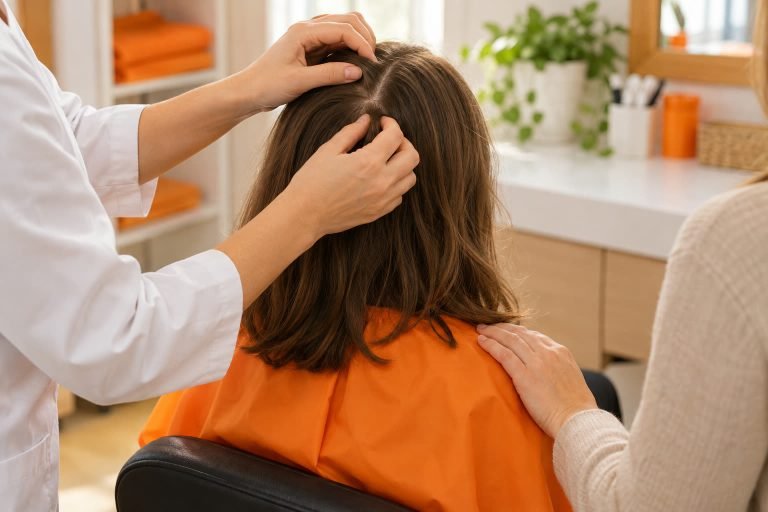
You’ve found lice in your child’s hair. Do you need to check the whole family, wash everything, and throw out the hairbrushes? What should you do right away, and what can save you unnecessary work?
Start with the hair of people who’ve had close contact with the child. Head lice spread most often through hair-to-hair contact. Having them has nothing to do with poor hygiene and doesn’t mean your home is dirty. [1]
Check the rest of the family
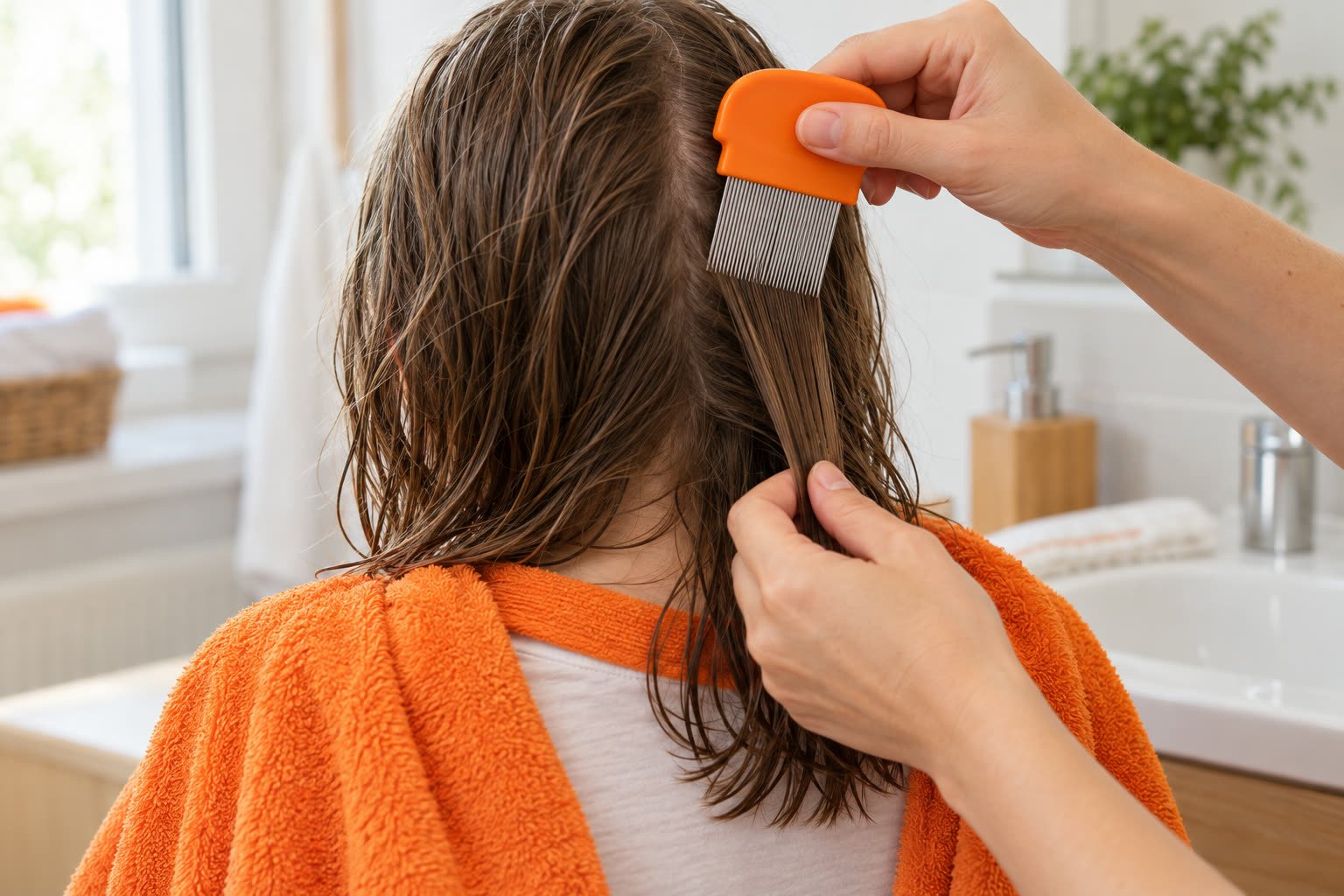
Check everyone’s hair at home, including adults. The absence of itching doesn’t rule out lice. On a first infestation, it may not appear for several weeks. [1]
Use a fine-tooth lice comb and good light. Work through small sections one at a time, paying attention to the areas behind the ears and around the nape. Itching alone, or empty egg casings, don’t prove active infestation. The surest sign is finding a live louse. [5]
If several people have lice, start treating them on the same day. If someone shares a bed with the infested person, ask a pharmacist or doctor whether they need treatment too. [2]
Choose a suitable removal method
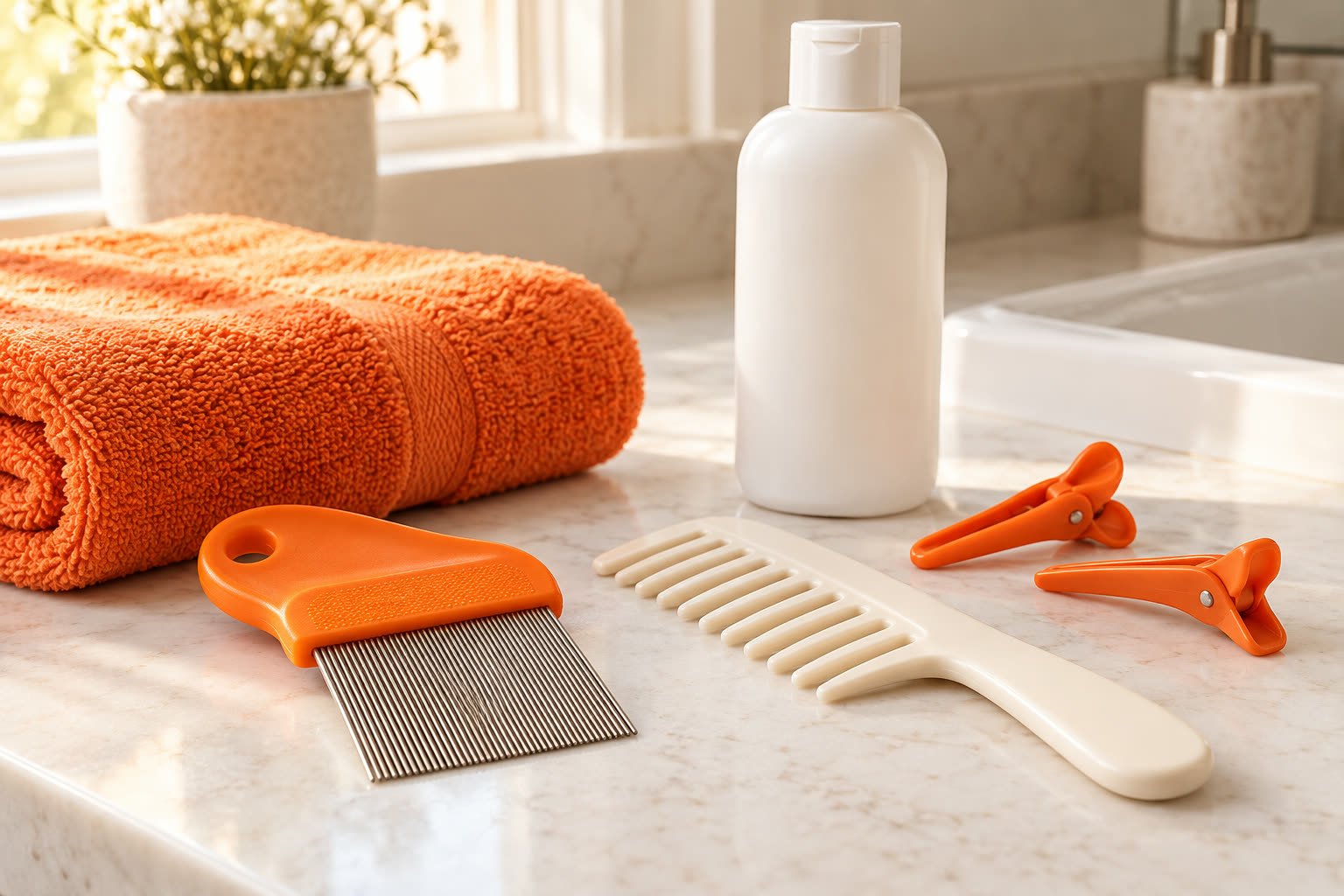
Wet combing with a special fine-tooth comb is one way to remove lice and nits. According to the UK’s National Health Service (NHS), it involves washing with ordinary shampoo, applying plenty of conditioner, and combing the whole head of hair from root to tip. The hair is then combed through again. [4]
When used as a stand-alone method, combing needs to be repeated. The NHS recommends days 1, 5, 9, and 13, with a follow-up check on day 17. This allows newly hatched lice to be removed too. [4]
If you use a product, follow its instructions. Check the age restrictions, the amount, the time it needs to work, and whether a second application is required. Some products require a second treatment because they don’t kill unhatched eggs. For a young child, pregnancy, or breastfeeding, ask for advice on a suitable product. [3, 5]
The wet-combing-with-conditioner instructions aren’t preparation for every product. Conditioner can interfere with how some products work, so don’t mix different methods at random. [2]
What to clean at home
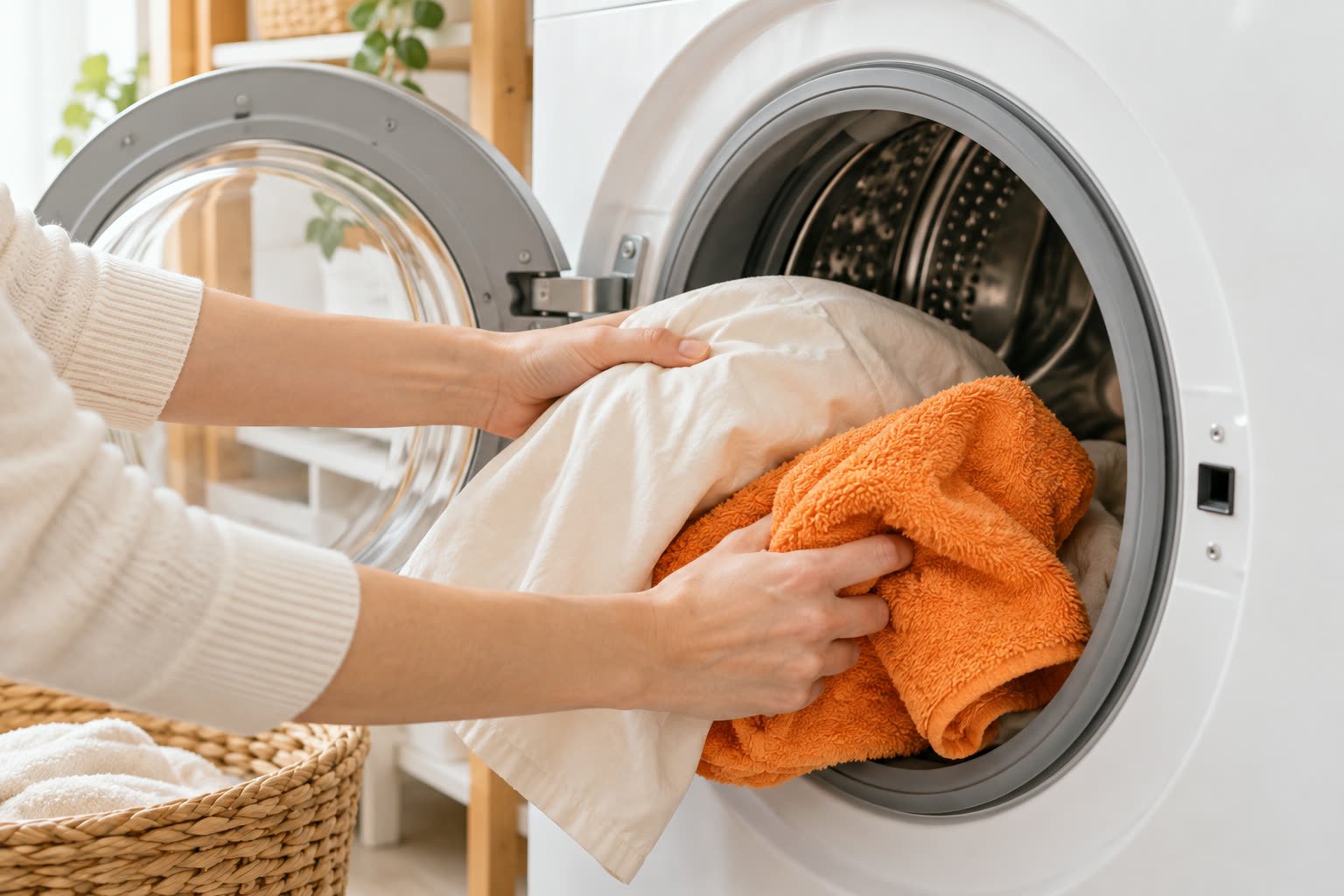
You don’t need to treat the whole home with insecticides. Lice depend on feeding from the human scalp and usually die within two days away from it. Transmission through objects is rarer than transmission through direct hair-to-hair contact. [1]
The US Centers for Disease Control and Prevention (CDC) recommend cleaning the clothes, bedding, and items used by the affected person over the two days before treatment:
- Wash suitable fabrics on a hot cycle according to the care label. The CDC points to around 54°C and drying on high heat.
- Items that can’t be washed or dry-cleaned can be left in a sealed bag for two weeks.
- Clean combs and brushes in hot water, at least around 54°C, for 5–10 minutes.
- Vacuum the places where the person sat or lay down.
Don’t use insecticide room sprays against head lice. The CDC warns they can be toxic if inhaled or if they contact the skin. [2]
Notify people the child has had close contact with
Tell the parents of close friends and the responsible person at school or kindergarten, so other families can check their children too. This helps catch cases that might otherwise go unnoticed. The British Association of Dermatologists recommends checking close contacts, especially people in the same household and close friends from school. [5]
Explain calmly to the child what’s about to happen. Don’t blame them, and don’t present the lice as a consequence of something they did wrong.
Why lice come back
Finding lice again can have different causes: a missed second application, instructions not followed, resistance to a particular insecticide, or new contact with someone who has lice. [5]
If, after a completed course including the necessary repeat, you keep finding live lice, discuss another approach with a doctor or pharmacist. Don’t increase the amount or frequency of treatments on your own. [3]
Frequently Asked Questions
Should we cut the child’s hair short?
Short hair can have lice too. Cutting it doesn’t replace removing them and the follow-up checks. [5]
Can a dog or cat carry lice?
Pets don’t get infested with human head lice and don’t spread them. There’s no need to treat them because lice were found in the family.
Do essential oils help?
The NHS doesn’t recommend tea tree, eucalyptus, or lavender oil products for removing lice. The label “natural” by itself doesn’t prove effectiveness. [4]
Can a product be used as prevention?
Don’t use treatment lotions and sprays just because someone in the group has lice. The NHS warns that using them preventively can irritate the scalp. Check the hair with a fine-tooth comb to catch any infestation early instead. [4]
When is a doctor needed?
See a doctor for a painful scalp, weeping sores, crusting, or fever. Scratching can lead to a secondary bacterial infection. A consultation also makes sense if you’re not sure whether what you found in the hair is really lice. [5]
Need help with removal
If combing at home is proving difficult, or you keep finding lice, contact “Bez Poveche Vushchitsi” for information on professional hair cleaning and to book an appointment.
Sources
- CDC: Head lice basics
- CDC: Head lice treatment
- CDC: Clinical treatment guidance
- NHS: Head lice and nits
- British Association of Dermatologists: Head lice
You're not alone in this.
If you have doubts, start with a check. Our centers offer a free diagnosis before treatment.
How the procedure works →