
For any parent, the moment they hear the word “lice” is unpleasant. Worry, guilt, and often panic set in — did we miss something, is it dangerous, what happens next. The truth is much simpler: lice are a common problem in children and have nothing to do with poor hygiene or uncleanliness.
What matters most is catching it early. The sooner it’s noticed, the easier it is to deal with.
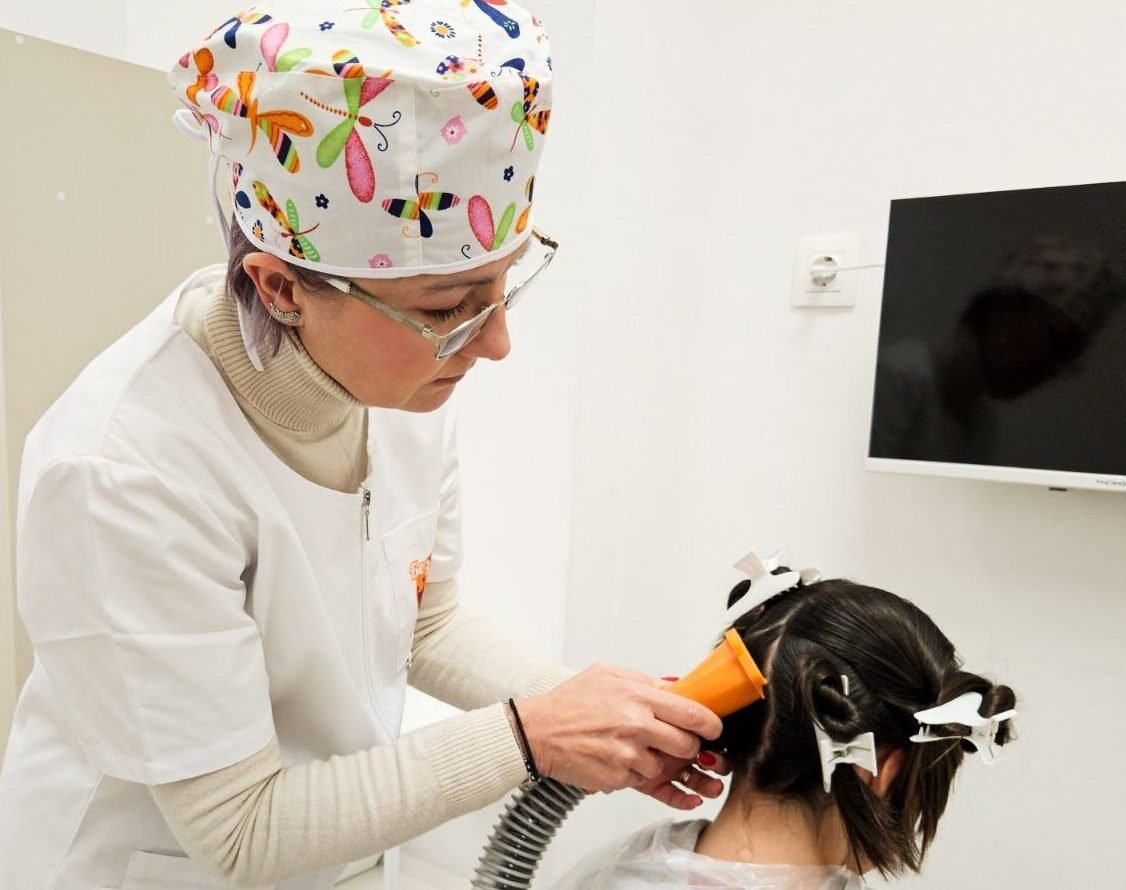
What lice and nits actually look like
Lice are small parasites, about 2–3 millimeters in size, that live on the scalp and hair. They’re hard to spot with the naked eye because they move quickly and their color often blends with the hair. They’re usually grayish or brownish and stay close to the scalp, where they feed.
Parents much more often notice the nits — the lice eggs. They look like small white or yellowish dots attached to the hair strand. The key point here is that nits don’t fall off easily. Unlike dandruff, they’re firmly “glued” and stay in the same spot even when combed.
The most common signs that a child may have lice
The most typical symptom is constant itching. The child starts scratching more than usual, especially around the nape and behind the ears. In some children the itching gets worse in the evening, which often leads to restless sleep.
With a longer-lasting infestation, the scalp can become irritated. Redness appears, and sometimes small sores caused by scratching. That doesn’t mean the problem is “severe” — it just means it’s time to act.
Quite often the first signal comes from school or kindergarten. If you get a notice like that, the best move is to check the same day.
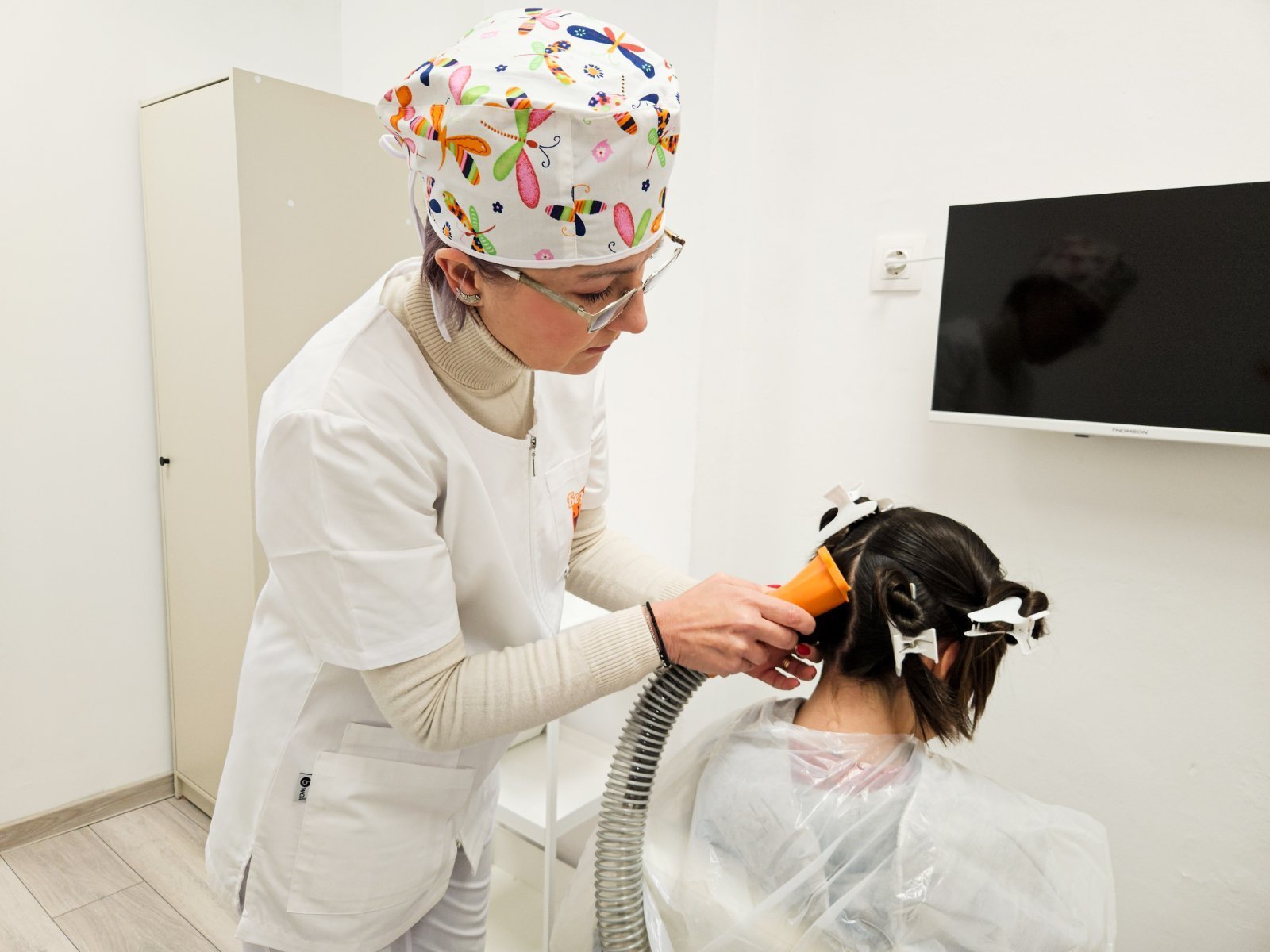
How to check properly for lice
Checking doesn’t require special skills or tools — just patience. Sit the child down in a well-lit spot. Part the hair into thin sections and carefully examine the roots. Pay special attention to the areas behind the ears and at the nape, since that’s where lice most often stay.
It’s important to stay calm. The child shouldn’t be scared or made to feel ashamed — to them, this is just part of the care you’re giving.
What’s important not to do
Lice often bring unnecessary tension along with them. Scolding the child, laying blame, or rushing to use random products usually leads to more stress than solutions. The problem isn’t an emergency — you don’t need to act within minutes, but you shouldn’t put it off for days either.
What to do if you find lice
The first and most important step is to reassure the child. They need to know they haven’t done anything wrong, and that this happens to many other children too. It’s a good idea to notify the school or kindergarten, to help prevent reinfestation.
If you’re not sure about identifying it, or you want the problem solved quickly, safely, and without extra stress, professional help is a sensible step.
Frequently Asked Questions
What are lice?
Head lice are parasitic insects that feed on human blood. They crawl — they don’t fly or jump.
What are nits?
Nits are lice eggs. They’re firmly attached to the hair shaft close to the scalp, about 0.8mm in size. Unlike dandruff, they don’t come off the hair easily.
What causes the itching?
Itching is a reaction to lice saliva. On a first infestation it may not appear for several weeks. Not everyone with lice itches.
You're not alone in this.
If you have doubts, start with a check. Our centers offer a free diagnosis before treatment.
How the procedure works →